Article
Mobile Cocktail Bar Equipment and Set-Up
13 June 2025 · By James
Mobile cocktail bars have become a must-have feature at events of all kinds – from weddings and corporate functions to private parties and brand activations. They offer a unique, interactive experience for guests while adding sophistication and style to the atmosphere. But behind every seamless cocktail service lies a well-thought-out set-up and an essential inventory of professional-grade mobile cocktail bar equipment. Whether you’re considering starting a mobile bar business or hiring one for your next event, understanding the components involved is key to ensuring smooth operation and a memorable guest experience.
1. The Bar Unit
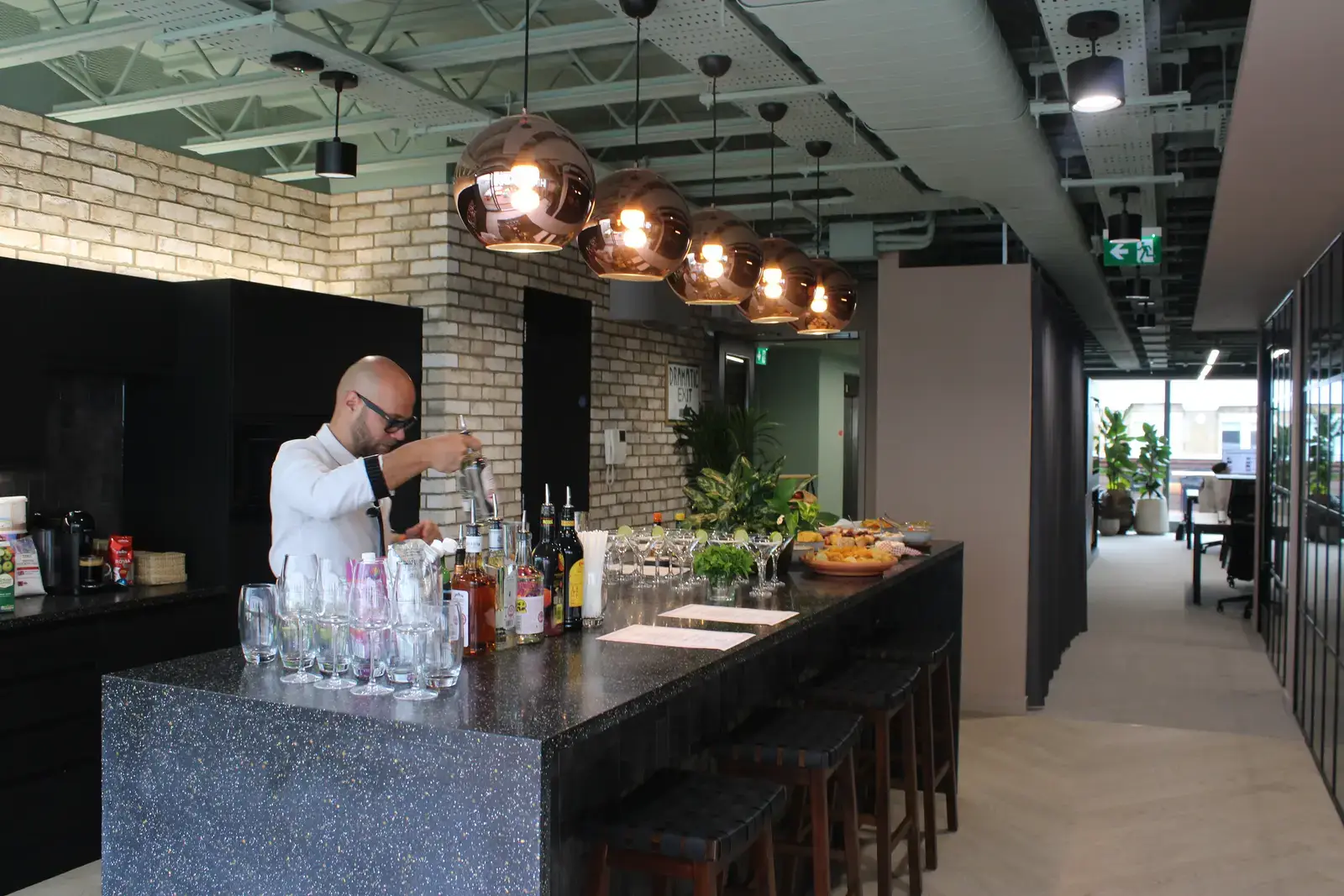
The centrepiece of any mobile cocktail bar is, of course, the bar unit itself. These come in a variety of styles, materials, and sizes to suit different themes and event spaces. Common types include:
- Foldable bar counters: Easy to transport and assemble, ideal for tight spaces or short events.
- LED-lit bars: Offer a modern, vibrant aesthetic for evening events and parties.
- Rustic or wooden bars: Perfect for countryside weddings or vintage-themed gatherings.
- Custom-branded bars: Used at corporate or promotional events to display brand identity.
Most bar units are modular and come with features like shelving, ice wells, and speed rails built in. They are designed for fast assembly and can be configured to fit the available space.
2. Essential Bartending Tools
A mobile cocktail bar cannot function without a professional set of bartending tools. These are the instruments that help bartenders mix, shake, and serve drinks efficiently and with flair:
- Shakers: Boston and Cobbler shakers are essential for mixing cocktails.
- Strainers: Hawthorne and fine mesh strainers ensure a smooth pour.
- Jiggers: Used for accurate measurement of ingredients.
- Bar spoons: Ideal for stirring cocktails and layering drinks.
- Muddlers: Used to crush fruits, herbs, and spices.
- Pourers: Spouts placed on bottles for controlled pouring.
- Ice scoops and tongs: For hygienic handling of ice.
High-quality tools ensure consistency and speed—both vital for busy events with lots of guests.
3. Glassware and Drinkware
Serving cocktails in the right type of glass is not only aesthetically important but also enhances the drink experience. A mobile bar typically stocks a variety of glassware, including:
- Martini glasses
- Highball and Collins glasses
- Old Fashioned (rocks) glasses
- Champagne flutes and coupes
- Margarita glasses
- Shot glasses
For outdoor or casual events, high-quality polycarbonate or biodegradable drinkware may be used instead of glass.
4. Ingredients and Garnishes
A well-stocked bar requires more than just alcohol. Mobile cocktail bars carry a wide range of mixers, syrups, and garnishes to craft delicious and visually appealing drinks:
- Base spirits: vodka, gin, rum, tequila, whiskey, etc.
- Liqueurs and vermouths
- Mixers: soda water, tonic, cola, fruit juices
- Fresh fruits and herbs: lime, lemon, mint, berries, cucumber
- Specialty syrups: sugar syrup, grenadine, elderflower, ginger
- Bitters and spices
Professional bartenders will also prep garnishes in advance—think citrus twists, dehydrated fruit, or rimmed glasses with salt or sugar.
5. Refrigeration and Storage
Keeping ingredients fresh and drinks cold is essential. Depending on the venue, mobile bars may require:
- Cool boxes or ice buckets
- Mini fridges or portable refrigeration units
- Thermal containers for chilled syrups and garnishes
Ice is one of the most critical components and is usually transported in insulated containers to maintain temperature for the duration of the event.
6. Power and Water Access
Some mobile bars require access to electricity—especially those with lighting, refrigeration, or blenders. Event planners should ensure:
- Extension cables and adapters are available
- Power supply is safe and meets regulations
- Generators are used for outdoor or remote locations
Water access is also useful for cleaning glassware and rinsing tools between cocktails. Some bars bring self-contained sinks and waste water containers if access is limited.
7. Setup Logistics and Timing
Set-up time can vary based on the size and complexity of the mobile bar. Typically, you should allow for 1–2 hours for:
- Unloading equipment and supplies
- Assembling the bar unit and displays
- Stocking ingredients and chilling beverages
- Running equipment checks (lighting, refrigeration, etc.)
Most professional services will coordinate with the event organiser or venue manager to ensure seamless logistics, including setup and breakdown.
8. Staffing and Service
The human element is what transforms equipment into an experience. A good mobile bar setup includes:
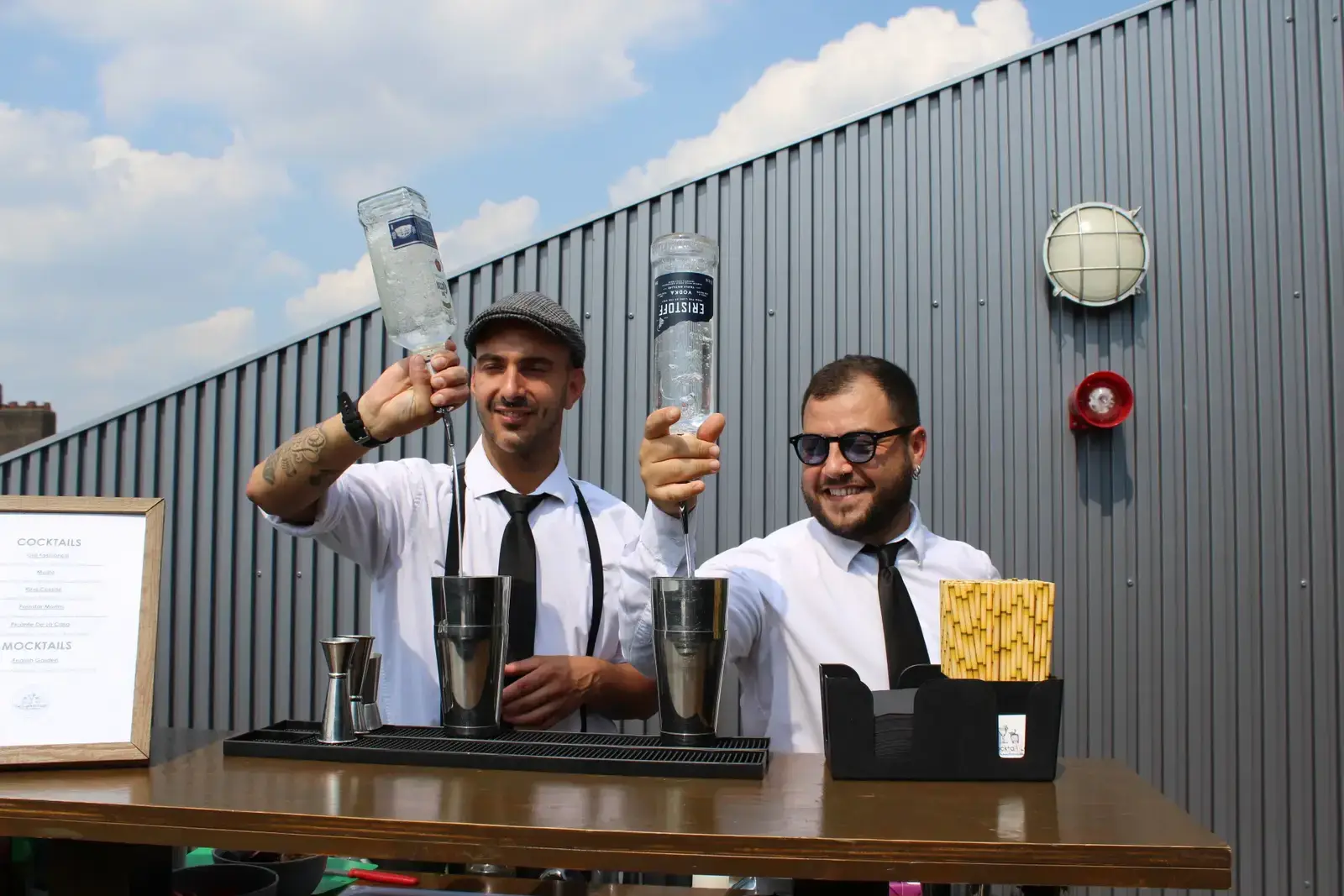
- Experienced mixologists or flair bartenders
- Barbacks for replenishment and cleanup
- Uniformed staff for a polished presentation
Staffing ratios are important too. A general rule of thumb is one bartender per 40-50 guests, depending on the complexity of the drink menu.
Conclusion
Behind every expertly crafted cocktail at a mobile bar lies a comprehensive setup of equipment, ingredients, and skilled professionals. Whether you’re hosting a stylish London wedding or a high-energy corporate party, knowing what’s involved in creating a functional and attractive mobile cocktail bar can help you choose the right provider—or set up your own. With the right tools and thoughtful planning, you’ll ensure your bar service runs as smoothly as your drinks are shaken.
For more insights, inspiration, or to book a professional mobile cocktail bar for your event, visit The Cocktail Lab.